Property Renovation Hull: Maximising Return on Investment With Smart Upgrades
Hull has always rewarded practical property decisions more than flashy ones. That is especially true when renovation budgets are tight, interest rates are higher than many owners would like, and buyers or tenants are looking closely at running costs as well as appearance. A successful renovation in Hull is rarely about spending the most. It is about spending where value is visible, durable, and relevant to the local market.
That distinction matters. A landlord updating a two bed terrace in east Hull needs a different strategy from an owner preparing a larger family home in the avenues for sale. The same goes for investors buying dated stock in need of structural work, versus homeowners modernising a property they plan to keep for another decade. The strongest return on investment comes from matching the upgrade to the building, the street, and the likely end user.
In practice, the best renovation plans usually combine three aims at once. They protect the property from costly future defects, improve daily usability, and raise market appeal without overcapitalising. When those three elements line up, the project works harder for every pound spent.
Why Hull rewards sensible renovation
Hull has a broad mix of housing stock, from Victorian terraces and post war semis to flats, ex local authority homes, and newer developments. That variety creates opportunity, but it also means renovation cannot be approached with a one size fits all mindset. A period property may need careful damp investigation, subfloor checks, and sympathetic cosmetic upgrades. A 1960s house may benefit more from insulation, rewiring, and a kitchen reconfiguration. A rental flat may deliver better returns through durable finishes and efficient maintenance planning than through expensive design touches.
The other factor is price sensitivity. In some higher value markets, an owner can sometimes recover a premium finish simply because the ceiling price is higher. In Hull, buyers and landlords often need to be sharper. Spend too much on bespoke features in an area with modest resale values and the maths stops working. I have seen owners fit luxury bathrooms, imported tiles, and high end appliances into properties where buyers would have been just as happy with a clean, modern, mid range specification. The property looked great, but the sale price did not move enough to justify the outlay.
That is why smart upgrades beat expensive upgrades. The aim is not to cut corners. It is to direct investment to the places people notice, use, and financially value.
Start with the numbers before choosing finishes
A renovation should begin with a sober look at the local ceiling price and expected rental or resale demand. That sounds obvious, but many costly mistakes happen because owners fall in love with ideas before checking whether those ideas make commercial sense.
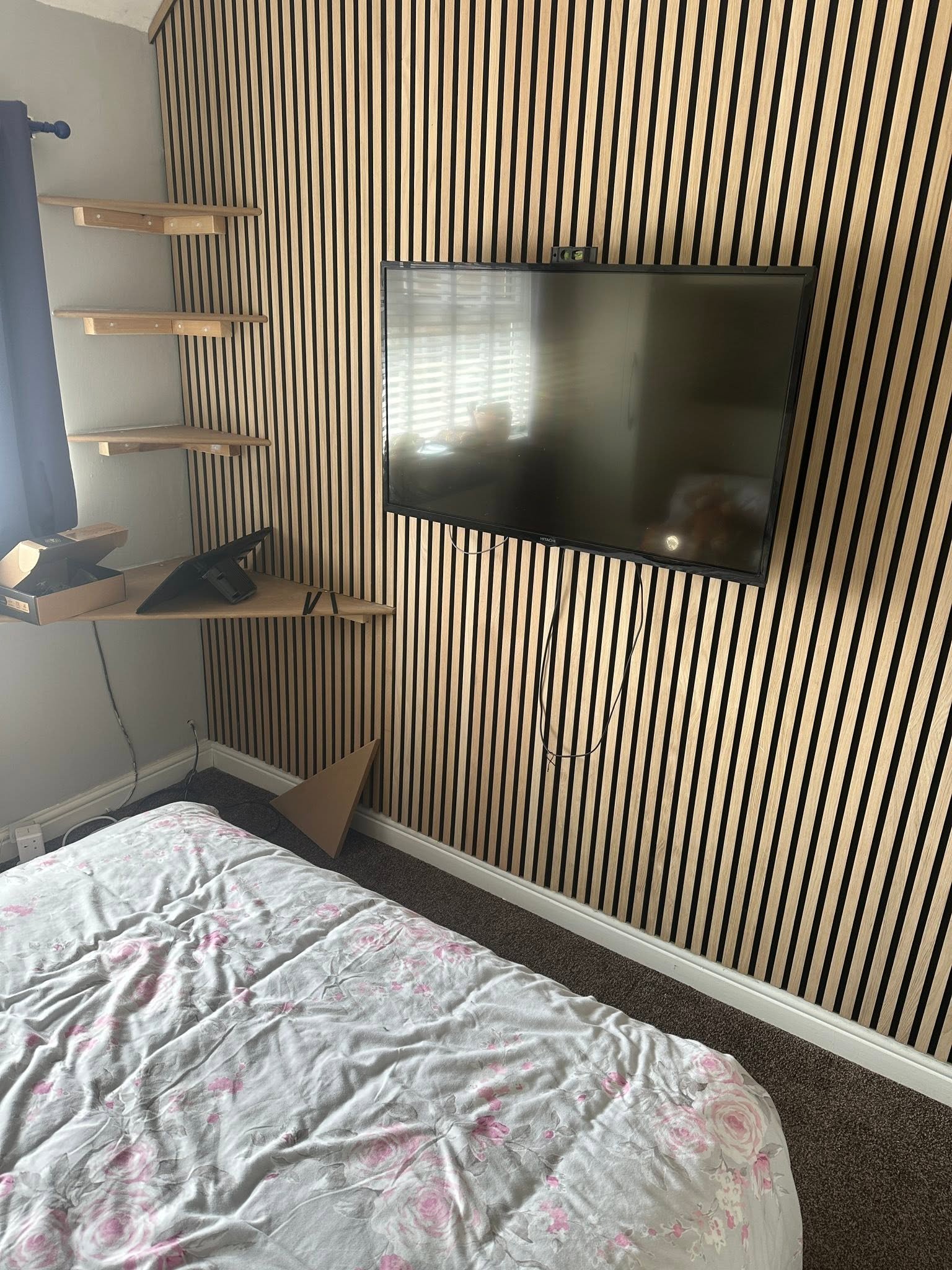
If a property could realistically sell for £135,000 in renovated condition, and similar stock nearby caps out around that level, then a £45,000 upgrade budget on a house bought for £110,000 leaves no room for finance costs, holding costs, contingency, legal fees, or profit. On paper the refurbishment may seem manageable. In reality, the margin disappears quickly once hidden defects emerge.
A more grounded approach is to work backwards. Estimate the likely end value conservatively. Deduct all buying, financing, professional, and selling costs. Build in a real contingency, often 10 to 15 percent on older buildings. What remains is the maximum sensible renovation spend. Only then should you decide whether to push ahead, scale back, or change the specification.
This is also the stage where a good General Contractor earns their place. A contractor with experience in Hull housing stock can often spot budget traps early, such as blown plaster hiding damp, old consumer units likely to fail inspection, tired roofs with short remaining life, or drainage issues that only become apparent after heavy rain. These are not glamorous discoveries, but they are the ones that protect your return.
The upgrades that usually pay back best
Not every improvement carries equal value. Some upgrades improve the viewing experience immediately. Others strengthen the property behind the scenes and prevent expensive call backs. The best investment plan usually blends both.
Kitchens that feel clean, practical, and current
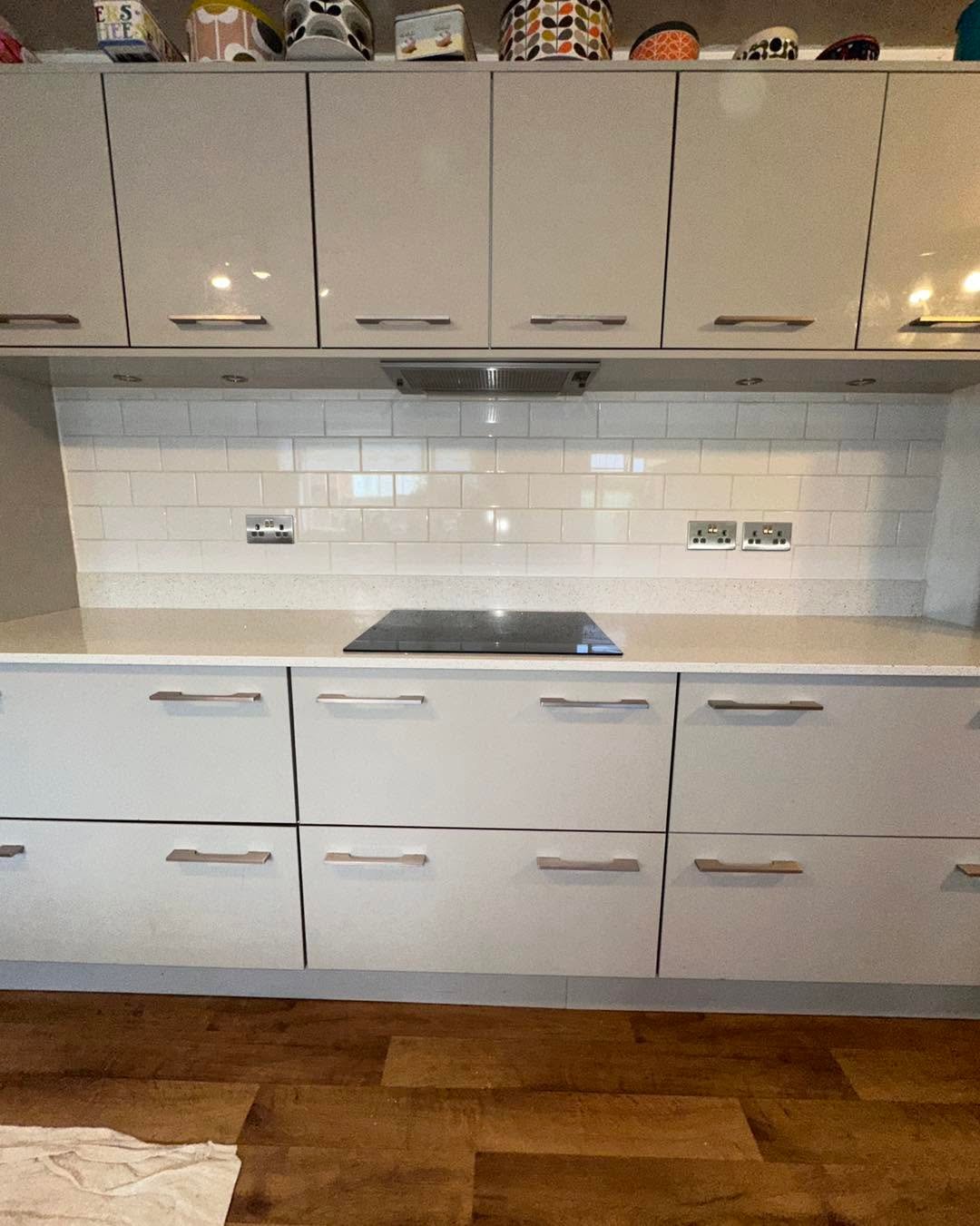
Kitchens influence purchase decisions out of proportion to their cost. That does not mean they need to be luxury installations. In much of Hull, a well planned mid range kitchen often performs better financially than a premium one. Buyers and tenants respond to sensible layouts, good lighting, durable worktops, and enough storage. They also notice if the room feels dark, awkward, or poorly ventilated.
Often, the win comes from layout rather than expense. Moving a washing machine to free up prep space, replacing a bulky freestanding cooker with an integrated solution, or opening a visual line into a dining area can make a modest kitchen feel much more valuable. In older terraced homes, simply improving flow and light can shift the entire feel of the ground floor.
Cabinet quality matters, but not all upgrades need to be seen. Strong hinges, decent drawer runners, moisture resistant carcasses, and washable paint are worth paying for because they hold up over time. That is especially important for landlords focused on Property Maintenance HUll services, since a cheap kitchen that starts failing after a few years becomes expensive through repairs, replacement doors, and tenant dissatisfaction.
Bathrooms that solve problems, not just look better
Bathrooms are another high impact area, especially if the existing room is dated, stained, or badly arranged. Again, return on investment comes from practicality. A bathroom with good ventilation, sensible waterproofing, strong water pressure, and easy clean surfaces usually outperforms one filled with fashion led features.
I often advise owners to think hard before squeezing in oversized fittings. A slightly smaller vanity unit, better shower enclosure, and cleaner wall lines can make the room feel larger and work better day to day. In family houses, a second WC can add more real value than expensive taps. In rental properties, concealed leak points and flimsy furniture should be avoided even if they initially look attractive in a showroom.
Poor bathroom work is one of the most common causes of remedial spending after completion. Bad falls to wastes, inadequate tanking, weak extractor fans, and rushed silicone work can all come back to bite. For that reason, a careful installer is worth more than a long list of decorative extras.
Flooring, decoration, and first impressions
Cosmetic upgrades are often dismissed as superficial, but they matter because they frame every viewing. Fresh decoration, consistent flooring, neat joinery, and good door furniture tell people the home has been cared for. Buyers may forgive a basic kitchen more easily than they forgive chipped paint, stained carpets, and a patchwork of tired finishes.
The trick is to choose materials that match the property and likely use. In a family owner occupier home, good quality carpet in bedrooms and robust flooring downstairs can work well. In rentals, continuity and durability usually matter more than softness underfoot. Neutral palettes remain effective because they make rooms brighter and easier for viewers to imagine as their own. Neutral does not need to mean bland. Warm whites, soft greys, muted greens, and natural timber tones tend to age better than harsher trends.
Energy efficiency and running costs
Energy performance has become a bigger factor in decision making than it was a few years ago. Buyers ask about bills. Tenants notice draughts, condensation, and cold spots. Investors watch compliance requirements and long term operating costs.
That makes certain upgrades particularly sensible in Hull, especially in older homes exposed to wind, damp conditions, and temperature swings. Loft insulation, draft proofing, heating controls, modern boilers where needed, and selective window replacement can all improve comfort and marketability. Full replacement of all windows is not always necessary, especially in period properties where repair or targeted replacement may be enough, but poor thermal performance should not be ignored.
A property that feels warm and dry sells better than one that simply photographs well.
The hidden works that protect profit
One of the hardest conversations in renovation is explaining why money needs to go behind walls, under floors, or into areas that do not show in listing photos. Yet these are often the works that determine whether the project genuinely succeeds.
Old electrics are a prime example. A home can have fresh plaster and a stylish kitchen, but if the wiring is outdated, safety concerns will affect surveys, insurance, and buyer confidence. Plumbing can be similar. Galvanised pipework, weak pressure, poor waste runs, and old boilers often undermine otherwise attractive refurbishments.
Damp is another major issue, especially in older brick properties. It is easy to spend money treating symptoms rather than causes. I have seen rooms replastered and painted beautifully, only for staining and blown finishes to return because the underlying problem was ventilation, bridging, external ground levels, defective pointing, or a leaking gutter rather than a simple rising damp diagnosis. Good investigation saves money. Guesswork burns it.
Roofing and drainage fall into the same category. A slipped covering, failing flashing, blocked gullies, or neglected downpipes may not seem exciting, but unresolved external defects can unravel internal renovation work very quickly. Smart investors factor these repairs in early, not as reluctant extras halfway through.
Where owners often overspend
The biggest budget leaks usually come from emotion, not necessity. An owner sees a design on social media, imagines a dramatic transformation, and upgrades specification piece by piece until the project no longer fits the area or the likely return.
The usual culprits include over engineered lighting schemes, expensive feature walls, premium branded sanitaryware, bespoke joinery in average value properties, and overuse of trendy finishes that date quickly. There is nothing wrong with quality. The problem comes when money is spent where the market will not reward it.
Here are the upgrades that often deserve a second look before committing:
- Luxury finishes in low to mid value properties where buyers are more concerned with condition than brand names
- Major layout alterations that require structural work, when a lighter touch could improve flow nearly as well
- Full replacements of serviceable elements, such as windows or internal doors, that could be repaired and redecorated
- Complex smart home additions that add cost but little practical appeal for most local buyers
- Highly personalised design choices that narrow the audience at sale time
Good renovation is partly about restraint. Every pound saved from unnecessary specification can be redirected into drainage, insulation, electrics, or contingency, all of which do more to protect final value.
Matching the renovation to the end goal
A homeowner renovating to stay should not make exactly the same decisions as a landlord or a flipper. That may sound obvious, but in practice people often borrow strategies from the wrong model.
If you plan to live in the property for years, comfort, storage, maintenance burden, and future adaptability deserve more weight. It can be worth paying extra for better windows, stronger flooring, improved sound insulation, or a more generous kitchen layout, because you will benefit from those choices daily.
If you are renovating for sale, broad appeal matters more. The design should be clean, fresh, and easy to understand. Avoid making the property feel too niche. Buyers want to picture themselves moving in without a long to do list.
If the property is a buy to let, durability becomes central. Void periods, repair call outs, and repeated cosmetic damage eat returns. That is where practical Property Renovation Hull planning overlaps with long term property management. The cheapest initial option is rarely the cheapest over five years.
For landlords, a sensible brief often includes:
- Durable flooring and washable wall finishes
- Kitchens and bathrooms with readily available replacement parts
- Straightforward heating and ventilation systems
- Good security, external lighting, and robust door sets
- A maintenance plan that addresses roofs, gutters, seals, and services before failure occurs
That final point is often neglected. Ongoing Property Maintenance HUll work is not separate from renovation strategy. It is part of the return. A well refurbished property that is then ignored will slip backwards surprisingly fast.
Working with the right contractor changes the outcome
A renovation budget can be damaged just as easily by poor coordination as by poor choices. That is why the relationship with your General Contractor matters so much. The best contractors do more than price drawings and arrange labour. They challenge weak assumptions, sequence works correctly, and keep the job moving when surprises appear.
In Hull, local knowledge is especially valuable because housing types, common defects, and buyer expectations vary street by street. A contractor who understands local stock will know, for example, when suspended timber floors need deeper inspection, when cavity wall assumptions are unreliable, or when external repairs should come ahead of internal decoration because of driving rain exposure.
Communication style matters too. A good contractor should be able to explain trade offs plainly. If the choice is between spending an extra £3,000 on aesthetic upgrades or using that same amount to rewire and improve heating controls, you want someone who can outline the practical and financial implications honestly. That is the difference between being sold work and being advised properly.
I have also found that the best projects usually have fewer late design changes. Endless tweaks slow trades, create waste, and often lead to rushed finishing. Clear decisions early, supported by realistic allowances, almost always produce better value.
A realistic example of smart spending
Consider a typical dated three bed terrace bought for improvement. The original temptation might be to knock through walls, fit a premium kitchen, install bi fold doors, and create a dramatic open plan space. On paper it sounds transformative. In the wrong location, it is a fast route to overspending.
A more disciplined plan might look very different. Repair the roof and guttering first. Resolve damp causes. Rewire where necessary and upgrade the heating. Replaster damaged areas properly. Fit a modern but not Landscaping Hull extravagant kitchen. Renew the bathroom with sensible waterproofing and ventilation. Improve decoration throughout, replace worn flooring, and tidy the frontage. Add loft insulation and improve lighting. The result may be less dramatic in a showroom sense, but far stronger in terms of buyer confidence, survey outcome, and day to day appeal.
That kind of project often feels quieter while it is happening. There is no grand statement piece. Yet these General Contractor are the refurbishments that tend to sell cleanly and rent reliably, because they answer the practical questions viewers ask themselves when they walk through a property. Does it feel solid? Is it warm? Has the owner dealt with the obvious issues? Can I move straight in?
Timing, sequencing, and contingency
Return on investment is not only about what you spend. It is also about how long the property is out of action and how much disruption the schedule absorbs. Delays carry a cost through finance, lost rent, extended management time, and sometimes weather exposure.
The projects that stay on track usually follow a sensible order. External integrity comes first where defects exist. Structural and first fix work follows. Then insulation, boarding, plastering, second fix, kitchens, bathrooms, decoration, and floor finishes. This is basic building logic, but it is surprising how often owners General Contractor Hull try to decorate before moisture issues are resolved, or fit expensive finishes before messy service work is complete.
Contingency is equally important. On older Hull properties, opening up reveals things. Rotten joist ends, hidden chimney breast issues, failed lintels, poor historic alterations, and patchwork plumbing are not rare discoveries. A renovation plan without contingency is really just hope dressed as a budget.
The long view on value
Some improvements pay back quickly in sale price or rent. Others pay back through reduced hassle, fewer failures, and stronger long term asset quality. The most successful renovation strategies recognise both kinds of return.
If you are planning Property Renovation Hull work, the central question is not, "What can I do to make this property look impressive?" It is, "What can I do to make this property perform better in Fence Contractor this market?" Performance includes saleability, durability, energy efficiency, maintenance burden, and confidence during survey or tenancy.
That perspective usually leads to better decisions. It favours dry walls over decorative panels, sensible kitchens over prestige appliances, sound roofs over statement lighting, and layouts that fit real family life over trends that may not last. It also encourages owners to think beyond the handover date. Smart renovation does not end when the paint dries. It continues through regular care, timely repairs, and sensible Property Maintenance HUll planning that protects the gains you have paid for.
Hull offers real opportunity for owners, investors, and landlords who renovate with discipline. The market has room for profit, but it rarely forgives waste. Spend where it counts, work with people who understand the local stock, and let function guide style rather than the other way round. That is how upgrades stop being an expense and start becoming a return.
CHM Yorkshire Ltd
Hull
HU9 5BU
Tel: 01482 455159
Website: https://www.chmyorkshireltd.co.uk